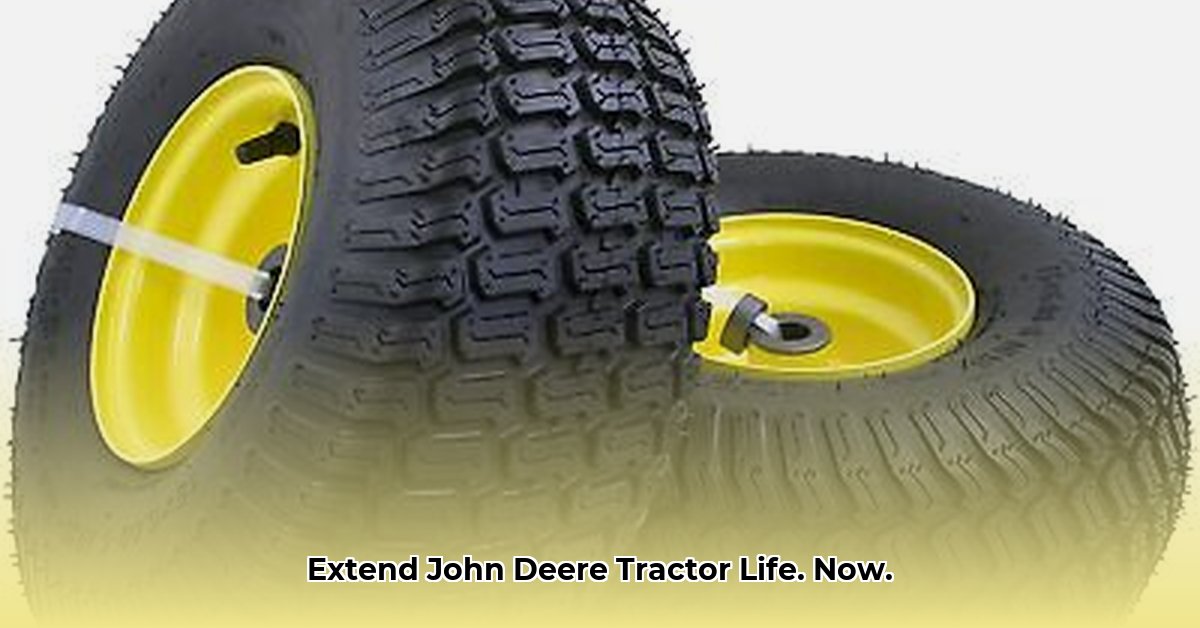
Assessing Current Tire Performance: A Farm-Level Audit
Before investing in new tires, a thorough assessment of your current John Deere lawn tractor tires is crucial. This helps identify areas for improvement and guides your tire-selection strategy. Are your current tires costing you more than necessary in fuel, repairs, and reduced yields? Let's find out.
For more John Deere accessories, check out this helpful resource.
Fuel Efficiency Check: Have you noticed increased fuel consumption? Under-inflated tires significantly increase rolling resistance, directly impacting fuel efficiency. A simple comparison of fuel usage before and after tire inflation adjustments can reveal significant savings. Are you consistently exceeding your expected fuel consumption per acre?
Soil Compaction Evaluation: Is soil compaction impacting your yields? Overly compacted soil hinders root growth, reduces water infiltration, and ultimately lowers crop productivity. Under-inflated tires are a major contributor to soil compaction. Observe the condition of your soil after tractor use—is it excessively firm or hard?
Tire Wear and Tear Analysis: Examine your tires for uneven wear patterns. This often indicates issues like improper inflation, misalignment, or mechanical problems that require attention. Patchy wear significantly reduces tire lifespan and increases replacement costs.
Choosing the Right John Deere Tire: Precision for Sustainability
Selecting the correct tires is critical for both operational efficiency and environmental stewardship. The wrong tires can lead to increased fuel consumption, soil compaction, and premature wear. Consider these key factors:
Tread Pattern Selection: The tread pattern directly influences traction and fuel efficiency. Deep, aggressive lugs are ideal for challenging terrains, providing maximum grip. However, they may increase rolling resistance on smoother surfaces. Shorter, smoother treads are more fuel-efficient on paved surfaces and less compacted soil.
Tire Size Optimization: Always refer to your John Deere owner's manual for the recommended tire size. Using incorrect sizes can affect ground clearance, maneuverability, and potentially damage your tractor. The correct tire size ensures optimal performance and minimizes stress.
Load Capacity Assessment: Never exceed the tire's maximum load capacity. Overloading leads to premature wear, potential tire failure, and increased fuel consumption. Regularly assess the weight your tractor carries to ensure optimal load distribution.
Inflation Pressure Management: Maintaining correct tire pressure is paramount. Under-inflation increases soil compaction and fuel consumption; over-inflation reduces traction and accelerates wear. A reliable tire pressure gauge is an essential tool.
| Tire Model | Tread Pattern Description | Load Capacity (lbs) (approx.) | Typical Pressure (psi) (approx.) | Recommended Terrain |
|---|---|---|---|---|
| John Deere X | Deep, aggressive lugs | 1200 | 15-18 | Very tough, uneven terrain |
| John Deere Y | Moderate, all-purpose | 900 | 12-15 | Mixed terrains |
| John Deere Z | Smooth, low-profile | 700 | 10-12 | Smooth surfaces |
Optimizing Tire Usage: Preventative Maintenance for Longevity
Regular maintenance is essential for extending tire lifespan and preserving their performance. Think of it as preventative care to maximize your investment and minimize costly replacements.
Regular Inspections: Conduct a quick visual check before each use. Look for cuts, punctures, bulges, or unusual wear patterns. Addressing minor issues proactively prevents major problems.
Consistent Inflation: Check and adjust tire pressure at least monthly, or more frequently in extreme temperature fluctuations. Use a reliable pressure gauge for accurate measurements.
Tire Rotation Strategy: Rotate tires routinely, following the manufacturer's instructions. This ensures even wear across all tires, maximizing their overall lifespan.
Safe Storage Procedures: When not in use, store tires away from direct sunlight, extreme temperatures, and potential damage sources. Proper storage prevents cracking, decay, and degradation.
Sustainable Practices: Environmental Stewardship Through Tire Management
Sustainable farming practices are crucial for long-term land health and environmental protection. Tire management plays a vital role in this.
Soil Compaction Minimization: Correct tire inflation and careful operation significantly reduce soil compaction. This improves water infiltration, root growth, and overall soil health.
Fuel Efficiency Improvement: Well-maintained tires directly contribute to better fuel economy, reducing your carbon footprint and operational costs. Consider fuel-efficient driving techniques to further optimize fuel usage.
Responsible Tire Disposal: When tires reach the end of their life, dispose of them responsibly. Seek out recycling centers or authorized disposal sites to minimize environmental impact.
Resources and Further Reading
Expand your knowledge through resources including your John Deere dealer, local agricultural extension services, and reputable agricultural organizations. These sources provide valuable insights into sustainable practices and the latest in tire technology. The American Society of Agricultural and Biological Engineers (ASABE) offers comprehensive technical resources.
Remember, optimizing your John Deere lawn tractor tires isn't just about equipment; it's about investing in a sustainable and profitable future for your farm. By implementing these strategies, you can contribute to a healthier environment and a more efficient operation.